Food on our tables
Bees and other pollinators help produce many fruits, nuts and vegetables. Different crops rely on pollination in different ways.
Discover why bees matter, learn what caring for a colony involves, and plan your first hive with confidence.
Free guides and tools. No account needed.
Three decisions before your first hive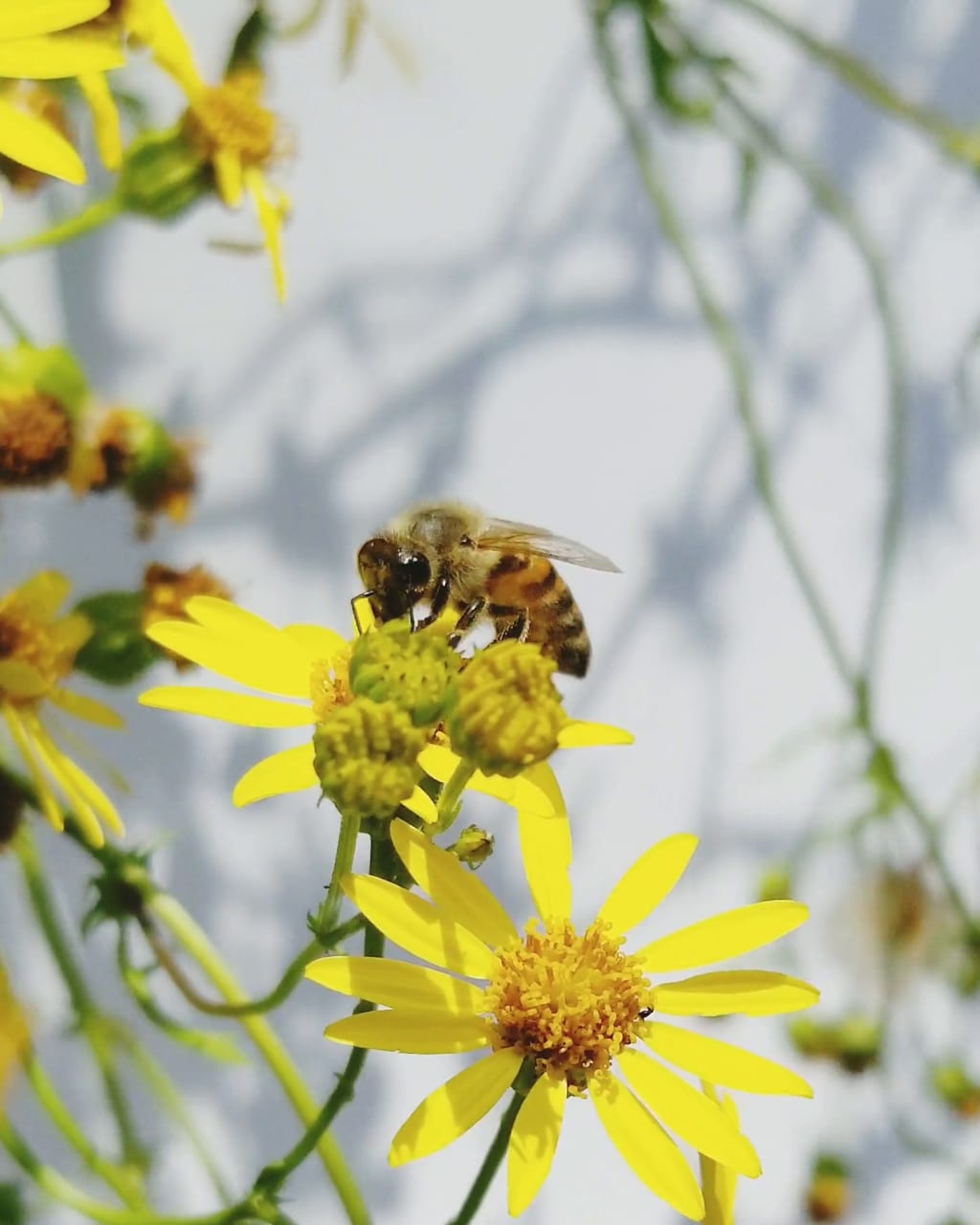
Watch a bee visit a flower and you're seeing a connection that helps sustain gardens, farms and wild landscapes. Bees carry pollen between flowers, helping many plants produce seeds and fruit. Honey is only one part of the story.
Bees and other pollinators help produce many fruits, nuts and vegetables. Different crops rely on pollination in different ways.
Wild bees, including bumble bees and solitary bees, matter too. Pollination helps flowering plants reproduce, supporting the diversity of life around us.
Plant locally native flowers across the seasons, protect nesting habitat and avoid unnecessary pesticide use. You can support pollinators whether or not you keep a hive.
Keeping honey bees means ongoing colony care. It does not automatically protect wild bees. Before bringing a colony home, learn about inspections, food needs and pests with a local course or mentor, and consider the forage available in your area.
Understand what keeping bees involves →Learn more: FAO on pollination · Xerces on bee habitat · USDA on helping pollinators
You don't have to decide everything today. Start with these three choices.
Start with local rules, space and neighbours. A local beekeeping association can help you ask the right questions.
Check rules and permissionsCompare the hive types with the equipment and support available near you. Think about inspections as well as harvests.
Compare hive typesKnow what comes in a starter kit, what you still need and how it all fits together before you buy.
Explore starter kits
A box of equipment is only part of the picture. Compare three US starter kits and use our printable checklist to plan the rest.
Based on supplier listings. The guide explains what we checked.
Build a starting budget around your hive type, the number of colonies and the equipment you already own.
Plan my beekeeping budgetPlanning estimates. Confirm current prices with suppliers.
Explore the decisions that matter before and during your first season.
Find out which local rules, permissions and practical restrictions to check before bringing bees home.
Read the guide : Can I keep bees where I live?Understand the main expenses, from the hive and bees to protective clothing and everyday tools.
Read the guide : What goes into a beekeeping budget?From finding a mentor to your first inspection: get a picture of what keeping bees involves.
Read the guide : How to start beekeepingCompare the hive types, how they work and what to discuss with a local mentor before choosing.
Read the guide : Langstroth, Flow Hive or Top Bar?Start with the basics, then check the details where you live.
Yes. Grow locally native flowers that bloom at different times, protect nesting places such as undisturbed ground and hollow stems, and avoid unnecessary pesticide use. These steps support wild pollinators as well as honey bees. Keeping a hive is a commitment to colony care; it does not automatically protect wild bees.
Find a local course or mentor, check the rules where you live and learn how a colony is cared for through the seasons. Then choose a hive and plan your equipment. Our beginner's guide walks through these first decisions.
Your budget depends on your hive type, the number of colonies, equipment you already own and local prices. Use our startup cost calculator as a planning estimate, then confirm supplier prices, delivery and taxes before buying.
The three starter kits compared in our guide are equipment packages; bees are purchased separately. Check the supplier's contents list, frame format and anything else you need before ordering.
The site is written for beginners in the US, UK and Europe. Our starter-kit comparison uses US suppliers, while its equipment checklist is useful more widely. Check local rules, equipment standards, prices and seasonal advice with your local association.
Our starter-kit guide compares published supplier information. It explains its sources and limits, without claiming hands-on testing.
How we approach our guides Affiliate disclosure